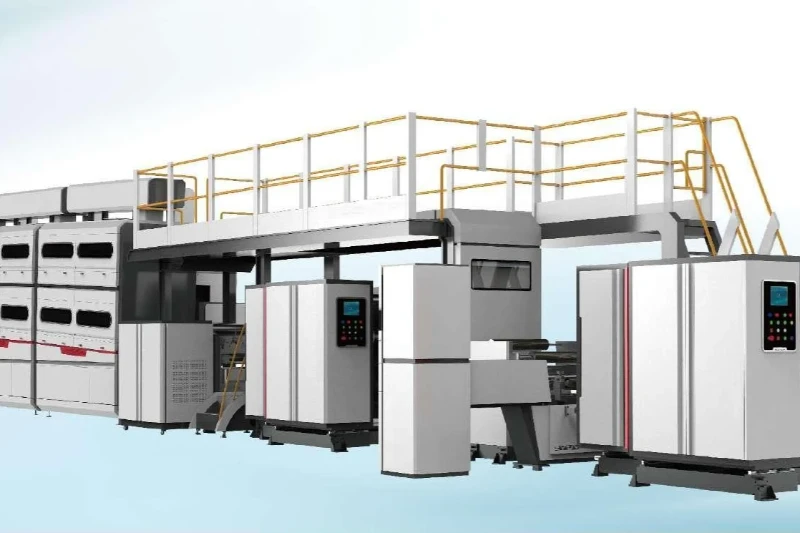
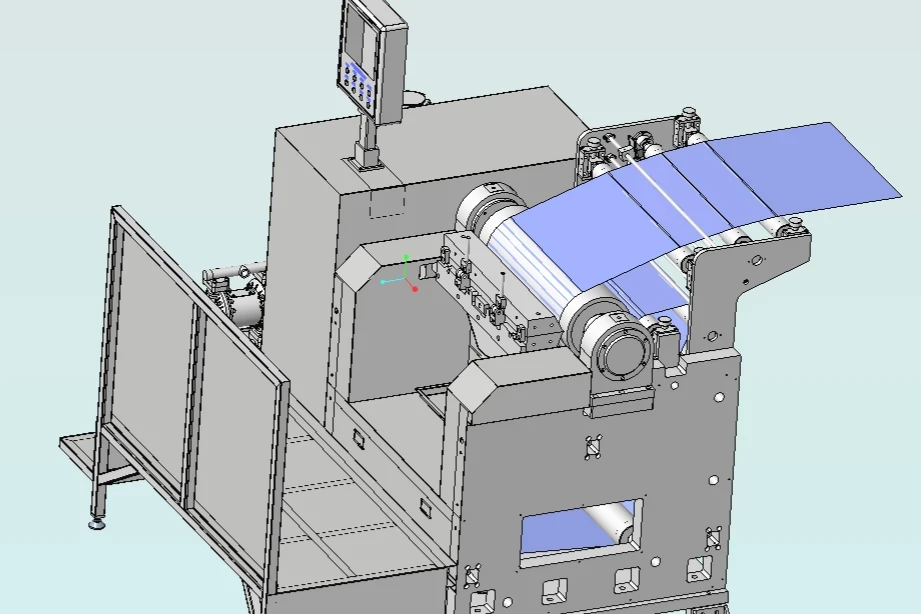
High-speed double-layer extrusion coating machine
Double-layer wide-width high-speed extrusion coating machine
Model: SYD-ZY1600S-ZQ
推荐产品
1 / 2
1
2
Description
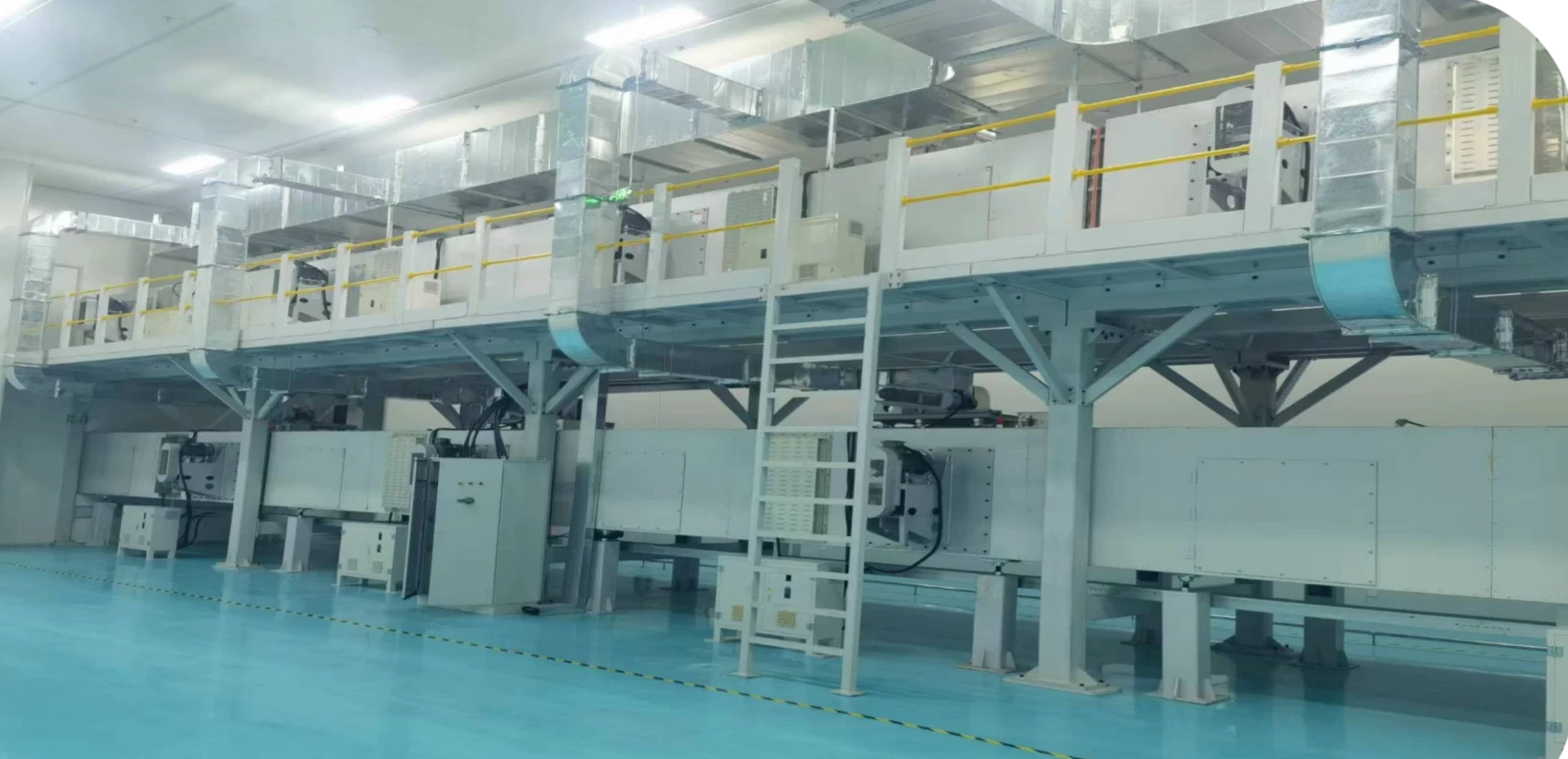
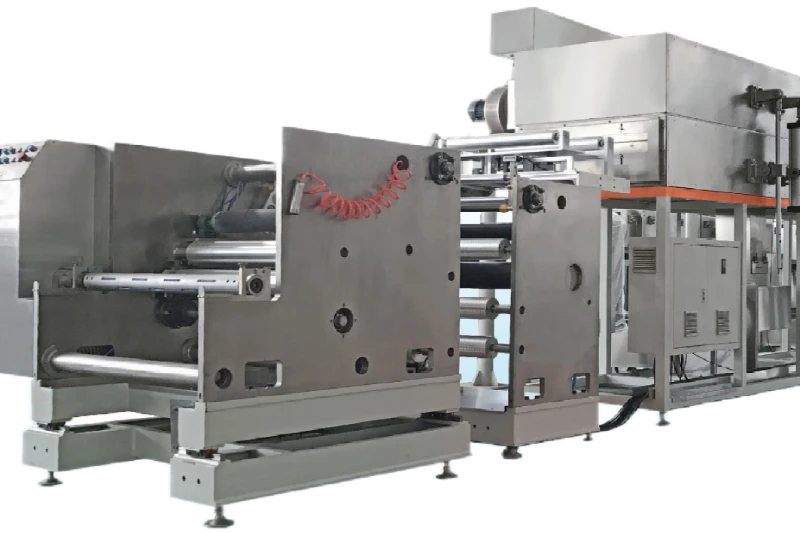
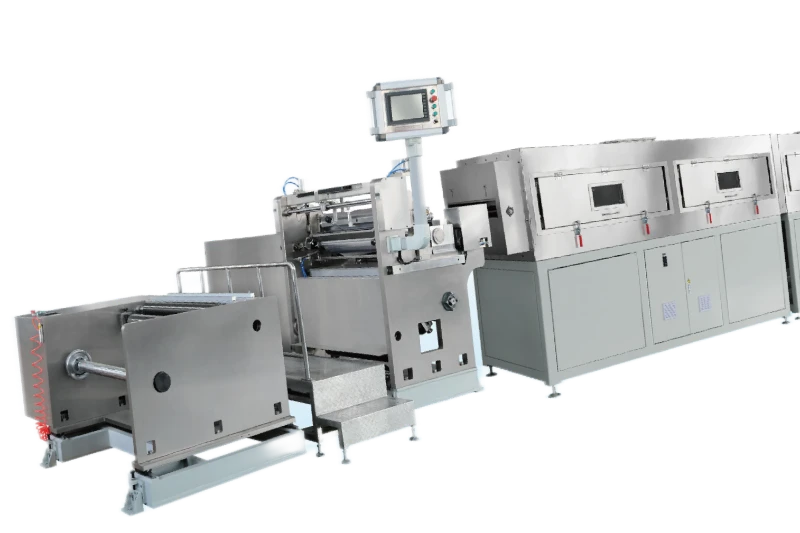
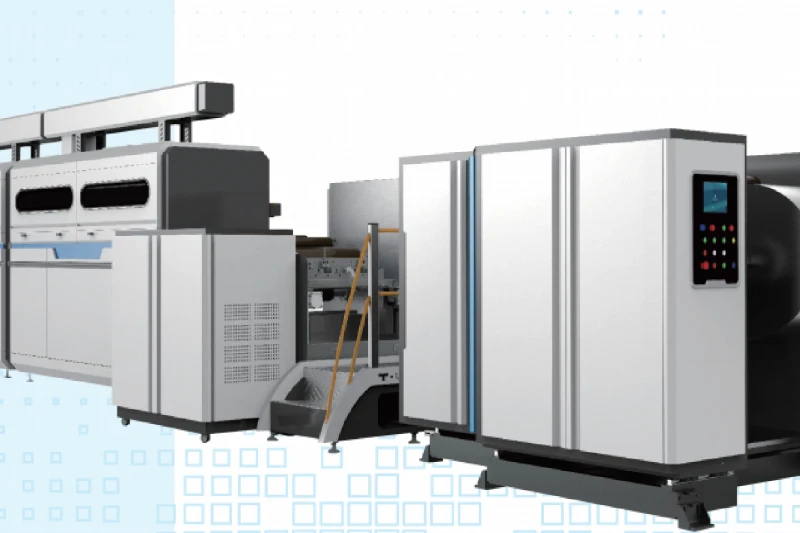
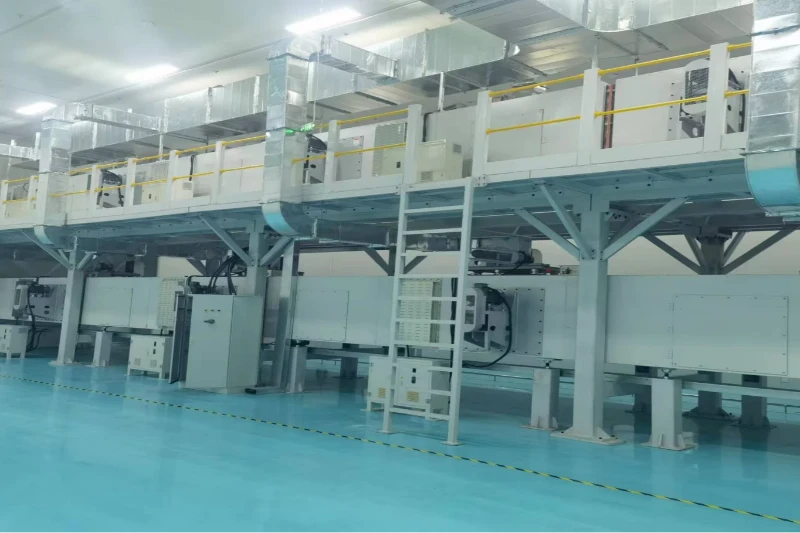
The core features of the double-layer split-type high-speed coating machine include dual-layer independent control, split-type structure, high-speed and high-precision, flexible adaptability, and easy maintenance. It balances productivity, precision, and process flexibility in double-sided/double-layer coating of lithium electrode sheets.
I. Core Structure and Process Features
Split-type double-layer architecture
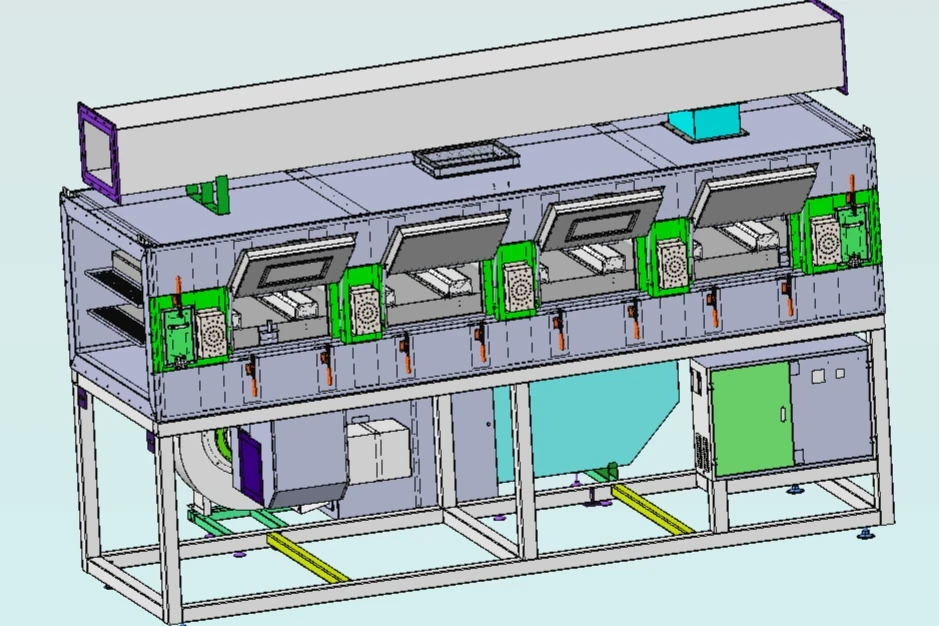
The upper and lower layers feature independent coating units (die head, back roller, material supply, tension, drying), allowing for separate control of A/B sides or dual-layer materials on the same side.
The die head/back roll is independently driven by servo motors, with GAP adjustment accuracy of ≤0.1μm and repeatable positioning of ≤1μm.
Supports dual-sided synchronous coating or single-sided double-layer overlay coating, compatible with different slurries/formulations.
Wide-format high-speed
The mainstream roller width ranges from 1000 to 1800mm, with a mechanical speed of 120 to 150m/min.
Independent tension/speed closed-loop, speed accuracy ±0.2%, steady-state tension ±2N.
Precision mechanical platform
Back roll circular runout ≤1.0–1.5μm, die head parallelism ≤1μm/m.
The split-type frame features stronger rigidity, reduced vibration, and improved high-speed stability
II. High-precision quality control
Surface density accuracy: single side ≤±1.2%, double sides ≤±1.0%.
Size and alignment: Coating size ±0.3–0.5mm, front and back alignment ±0.5mm.
Thickness uniformity: The thickness fluctuation of the pole piece is within ±1μm.
Closed-loop control: X/β surface density meter + die servo closed-loop; CCD vision + dimension/defect closed-loop.
III. Core Advantages of the Split Type
Independent control and flexible switching
The two layers can be independently started and stopped, adjusted in speed, changed in materials, and maintained, without interfering with each other.
Supports rapid switching between single-sided, double-sided, and double-layer configurations, accommodating production of multiple varieties in small batches.
A single layer can be activated independently to reduce energy consumption and maintenance costs.
Easy maintenance and high availability
Modular split design, hydraulic lifting for quick roll/die head change.
Independent maintenance for both the upper and lower layers, without machine downtime, resulting in a 15%+ increase in utilization rate.
The failure rate is less than or equal to 2%, resulting in a 30% reduction in maintenance manpower.
Drying and energy saving
Dual-layer independent bellows/oven, temperature ±2℃, wind speed uniformity ≤5%.
The split-type layout optimizes the plate path, reducing heat energy consumption by over 35% and decreasing the footprint by 8%.
IV. Full-process automation and intelligence
Unmanned production line: AGV loading, automatic tape splicing/adhesive application, automatic roll changing, and NG (non-good) removal.
Dual-station/turret reel-in/out system: No downtime for reel change, reducing downtime by 40%.
Digital control: PLC + bus, HMI, MES linkage, remote monitoring and diagnosis.
Related Solutions
Solution for multi-functional laboratory coating machine in solid-state battery industry
Solid-state batteries are regarded as the core direction for the next generation of power batteries. Compared to traditional liquid lithium batteries, they exhibit higher energy density (targeting 400–500 Wh/kg), superior safety performance, and a wider operating temperature range.