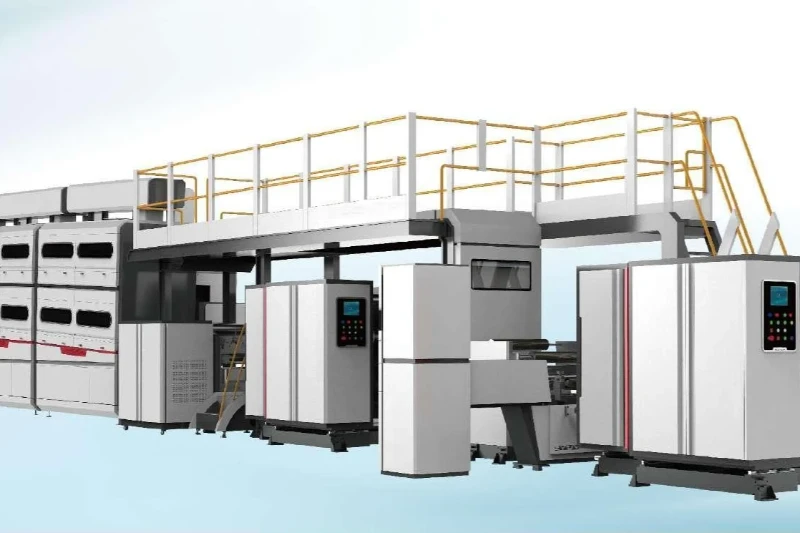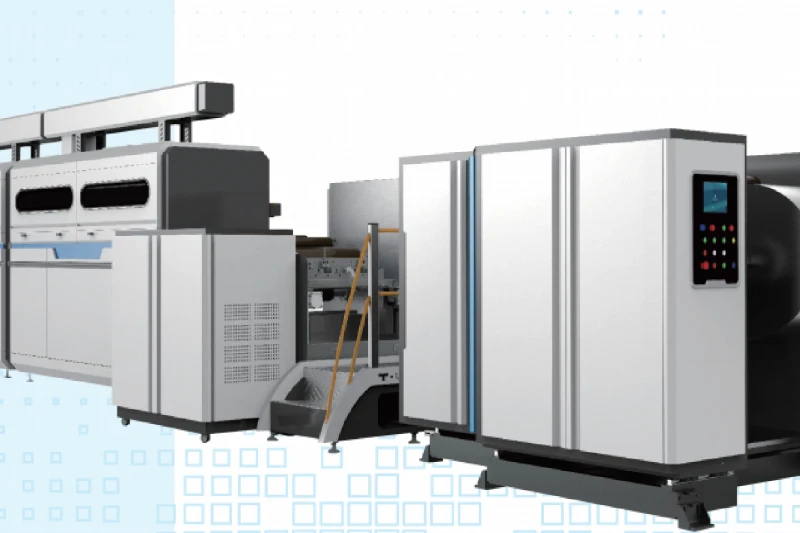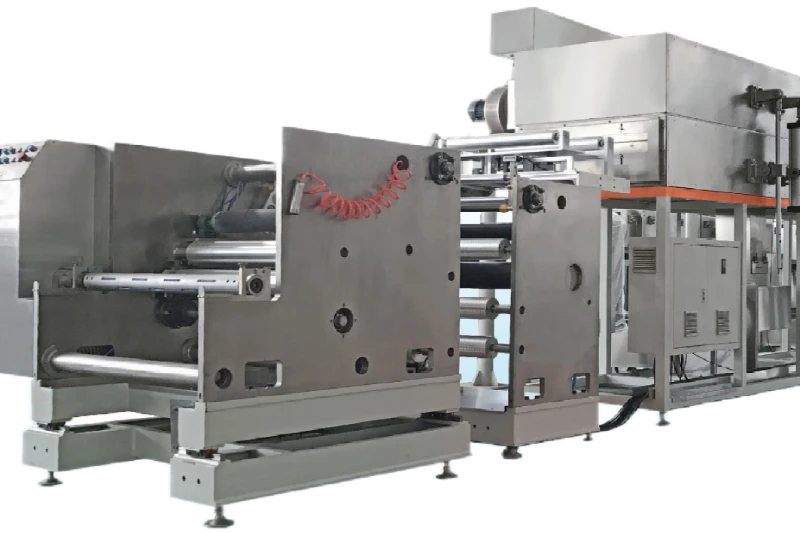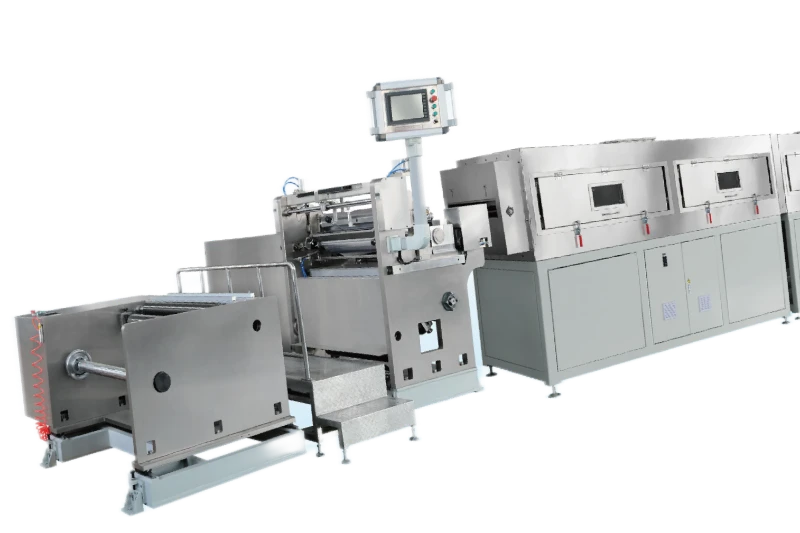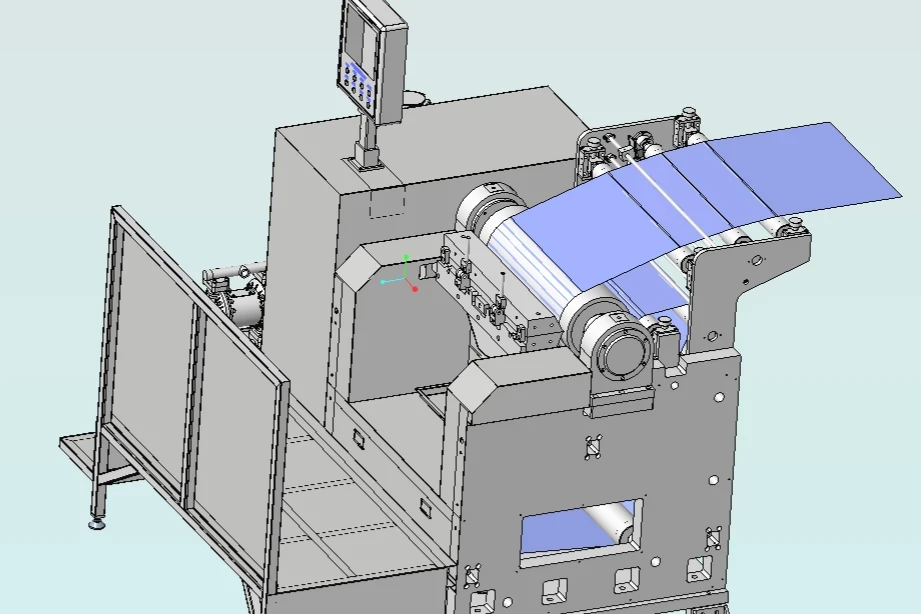
Solution for multi-functional laboratory coating machine in solid-state battery industry
Solid-state batteries are regarded as the core direction for the next generation of power batteries. Compared to traditional liquid lithium batteries, they exhibit higher energy density (targeting 400–500 Wh/kg), superior safety performance, and a wider operating temperature range.
Contact Us
Updated 9/16/2026
Solution Details
Learn more about the core content of this solution
Multi functional laboratory coating machine for solid-state batteries - high-precision research and development solution
Industry background and challenges
Solid state batteries are considered the core direction of the next generation of power batteries, with higher energy density (target 400-500 Wh/kg), better safety performance, and a wider operating temperature range compared to traditional liquid lithium batteries. However, the research and mass production of solid-state batteries face multiple coating process challenges:
*The characteristics of solid electrolyte slurry are complex: oxide electrolytes (such as LLZO, LLTO) have high solid content and viscosity, and are prone to particle agglomeration; Sulfide electrolytes (such as LPSCl) are extremely sensitive to moisture and oxygen and need to be coated in an inert atmosphere.
*Ultra thin electrolyte layer requirements: The target thickness of the solid electrolyte layer is usually 5-30 μ m, and the coating accuracy is required to reach sub micron level. The membrane should maintain high uniformity to avoid pinholes or cracks.
*Electrode/electrolyte interface matching: The interface contact quality between solid electrolyte and positive and negative electrode materials directly affects the internal resistance and cycle life of the battery. During the coating process, precise control of interface flatness and interlayer bonding force is required.
*Process transferability: Laboratory research and development results need to have smooth transferability to pilot and mass production, requiring equipment to maintain consistent coating principles and process parameter systems with the production line while reducing scale.
Product Positioning
Shenchuangda multifunctional laboratory coating machine is designed specifically for the research and development, process validation, and small-scale trial production of solid-state battery materials. It integrates high-precision coating, multi process compatibility, full environmental controllability, and data traceability, helping customers accelerate the transformation of solid-state batteries from laboratory to mass production.
Core functions and configurations
1. Coating accuracy and process capability
*Flexible switching of coating methods: supports multiple modes such as slit extrusion coating (suitable for high viscosity solid electrolyte slurry), micro gravure coating (ultra-thin coating, dry thickness 0.2-5 μ m), scraper coating, etc., to meet the needs of different electrolyte systems.
*Ultra high coating accuracy: equipped with high-precision servo drive pump and closed-loop control system, coating wet thickness uniformity is ≤± 1.5%, dry thickness uniformity is ≤± 2%.
*Gap coating function: Built in high-speed gap coating valve (response time 12ms), supports intermittent coating, industry-leading head and tail thinning effect, suitable for patterned coating of solid-state battery electrodes.
*Misalignment coating technology: Equipped with the company's unique misalignment coating and cam valve control module, it can achieve precise alignment coating between the positive and negative electrodes and the electrolyte layer, improving interface matching accuracy.
2. Environmental control and safety protection
*Sealed coating chamber: The equipment body adopts a sealed design, and the system supports continuous blowing of dry air or inert gas (such as Ar gas) with a dew point ≤ -50 ℃, suitable for water and oxygen sensitive materials such as sulfide electrolytes.
*Integrated oven system: using air path optimization and closed-loop temperature control air technology, the horizontal air velocity uniformity in the oven is ≤ 5%, and the temperature uniformity is ≤± 2 ℃, effectively avoiding curling and cracking problems caused by uneven drying of solid electrolyte membranes.
*Solvent recovery and exhaust gas treatment: Optional condensation recovery or combustion exhaust gas treatment devices can be equipped to meet laboratory safety and environmental protection requirements.
3. Modular design and flexible configuration
*Interchangeable coating die: compatible with slit dies of different widths (50-300mm), micro concave rollers, etc., allowing for quick switching of experimental plans.
*Wide substrate adaptability: It can handle various substrates such as aluminum foil, copper foil, PET film, polyimide film, etc., and is suitable for semi-solid, all solid, and solid composite electrolyte systems.
*Online thickness measurement and closed-loop control: Integrated laser/ray online thickness sensor, combined with CCD visual inspection system, real-time monitoring of coating thickness and defects, automatic feedback adjustment of coating parameters.
*Adjustable number of oven sections: 1-3 independent temperature controlled ovens, which can flexibly set temperature curves based on solid electrolyte solvent systems (NMP, ethanol, water, etc.) to simulate mass production drying conditions.
4. Intelligent control and data management
*Siemens/Huichuan bus control system: fully digital control, touch based human-machine interface, intuitive and easy to operate.
*MES linkage interface: supports integration with laboratory MES or LIMS systems, fully records formulas, process parameters, environmental data, and quality inspection results, and achieves full process traceability.
*Remote cloud control: supports remote parameter setting, operation monitoring, and data viewing, facilitating remote collaboration among R&D teams.
*Real time broadcasting of APP data: WeChat/DingTalk message push coating progress and key parameters to improve experimental response efficiency.
Technical parameters (typical configuration)
Project parameters
Coating method: Narrow slit extrusion/Micro gravure/Scraper (switchable)
Coating width 50-300mm (customizable)
Coating speed 0.1-5 m/min
Wet thickness range 10-500 μ m
Dry thickness range 0.2-100 μ m
Coating accuracy (wet thickness) ≤± 1.5%
Oven temperature -180 ℃ (± 2 ℃)
Oven wind speed uniformity ≤ 5%
Dew point of chamber ≤ -50 ℃ (optional)
Control system Siemens/Huichuan PLC+touch screen
Data interface MES/LIMS/remote cloud
Applicable scenarios
*Development of Solid State Electrolyte Membrane: Development of Thin Layer Coating Process for Oxide/Sulfide/Polymer Electrolytes, Evaluation of Membrane Uniformity, Conductivity, and Mechanical Properties.
*Preparation of positive/negative electrode composite electrode: Coating a composite slurry of solid electrolyte, active material, and conductive agent to optimize the electrode structure and interface contact.
*Half solid state battery formula validation: Coating a solid-liquid mixture system with a small amount of electrolyte addition, studying the effect of electrolyte content on battery performance.
*Screening of new battery materials: Feasibility verification of coating cutting-edge materials such as sodium ion solid electrolytes, composite separators, and functional coatings.
Value advantage
*Shorten R&D cycle: One machine for multiple uses, reducing equipment switching time; Precise process control improves experimental reproducibility and quickly locks in optimal parameters.
*Reduce amplification risk: Laboratory equipment follows the design principles of mass production models, with coating principles, feeding systems, and drying methods consistent with production line equipment. Technical achievements can be directly transferred for pilot testing.
*Reliable quality assurance: Core components are independently supplied (machining, sheet metal, oven, etc.), and incoming materials, processes, and shipments are fully inspected (DQC/SQC/OQC). The stability and consistency of the equipment are trustworthy.
*Professional team support: The technical center covers mechanical, electrical, process, software, and visual specialties. 80% of the members have more than 10 years of experience in the lithium battery industry and can provide full process services from solution design to process debugging.
Related Products
Products involved in this solution
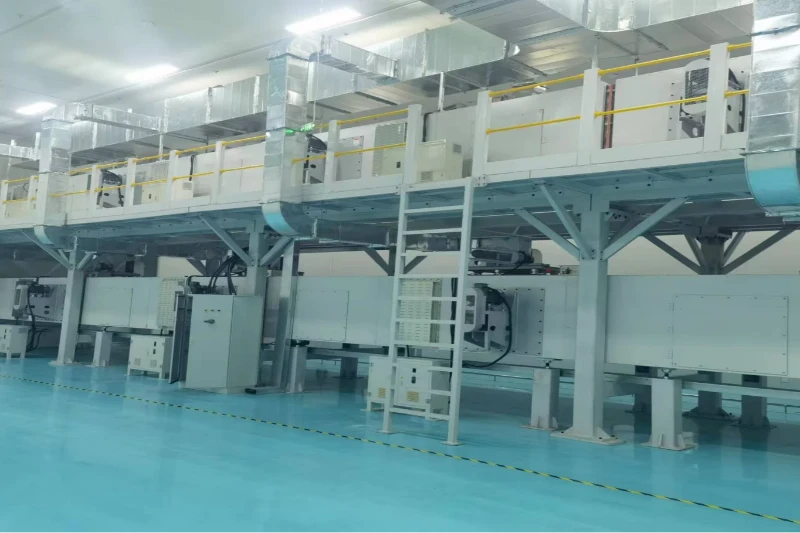
Double-layer wide-width high-speed extrusion coating machine
SYD-ZY1600S-ZQ
High-speed double-layer extrusion coating machine
The core features of the double-layer split-type high-speed coating machine include independent control of the two layers, a split-type structure, high-speed and high-precision operation, flexible adaptability, and easy maintenance. It balances productivity, precision, and process flexibility in double-sided/double-layer coating of lithium electrode sheets.
View Product